Balanced Male Nutrition and Vitamin Insights
Explore educational content about daily nutritional needs, vitamins, minerals, and natural food sources that support overall wellbeing.
Learn More
Explore educational content about daily nutritional needs, vitamins, minerals, and natural food sources that support overall wellbeing.
Learn More
Nutrition plays a fundamental role in daily life. The human body requires a diverse range of nutrients to function optimally. For men, understanding the basics of balanced nutrition involves recognizing the importance of macronutrients such as proteins, carbohydrates, and fats, alongside micronutrients including vitamins and minerals.
Daily dietary choices influence energy levels, physical activity capacity, and overall wellbeing. A balanced approach to eating incorporates whole foods, diverse nutrient sources, and mindful consumption patterns. This educational resource explores various aspects of male nutrition without providing medical advice or treatment recommendations.
The information presented here serves an educational purpose, helping readers understand nutritional concepts, food sources, and the role of supplements in the context of a balanced lifestyle. Every individual has unique nutritional needs, and this content does not replace personalized guidance from qualified professionals.
Vitamins are organic compounds that the body needs in small amounts for various metabolic processes. They are classified into two categories: fat-soluble vitamins (A, D, E, K) and water-soluble vitamins (B-complex and C).
These vitamins are obtained through diet, and in some cases, individuals choose to supplement their intake. Understanding which foods contain specific vitamins helps in planning balanced meals throughout the day.

Minerals are inorganic elements that contribute to various bodily functions. Unlike vitamins, minerals are not synthesized by living organisms and must be obtained through diet or supplementation.
The body requires different amounts of minerals, ranging from larger quantities (macrominerals) to trace amounts (microminerals). A varied diet typically provides adequate mineral intake, though some individuals opt for supplementation based on their dietary patterns.
Research continues to explore the roles of minerals in cellular function, muscle activity, and metabolic processes. This educational content provides general information about minerals without making claims about specific health outcomes.
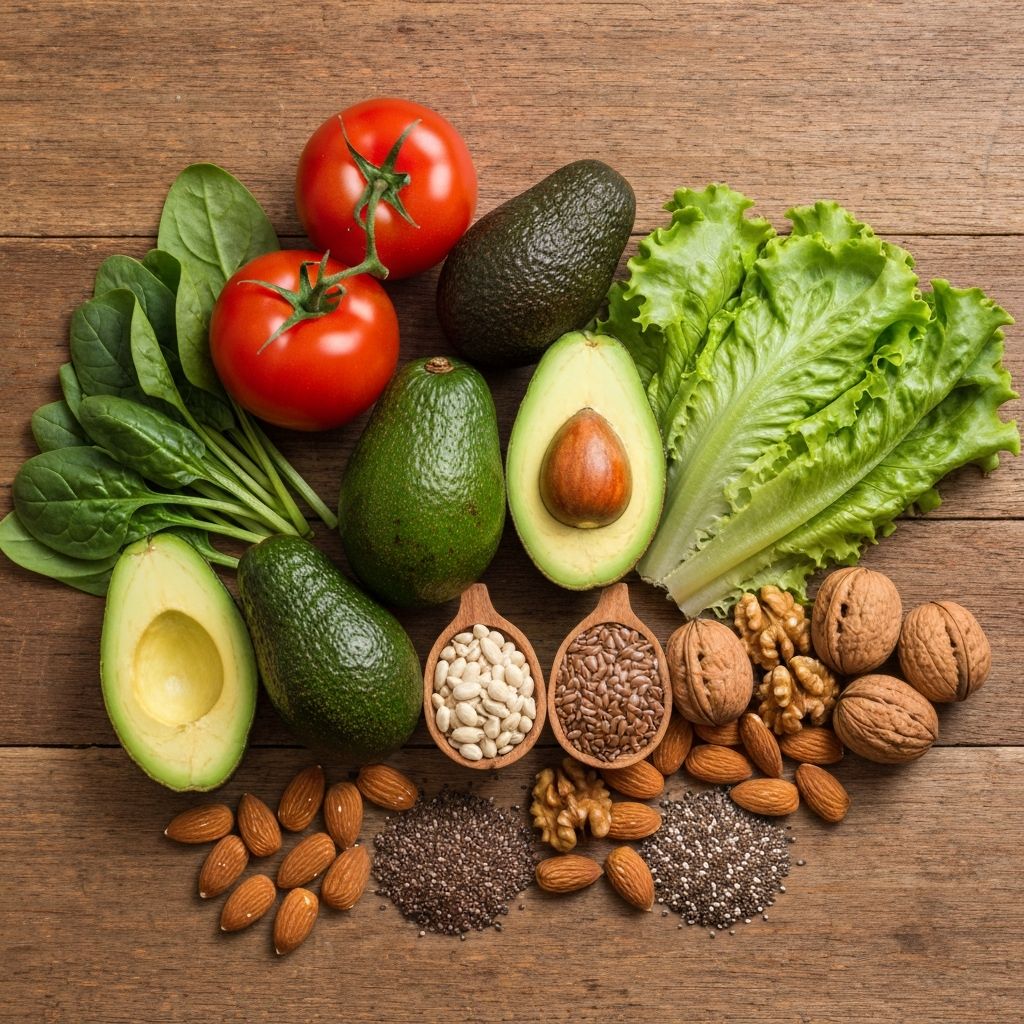
Whole foods provide a complex matrix of nutrients that work synergistically. Understanding natural food sources helps in creating diverse and nutritionally rich meal plans.
These foods contain not only vitamins and minerals but also fiber, antioxidants, and phytonutrients. Incorporating a variety of colors and types of foods into daily meals ensures a broad spectrum of nutritional benefits.
Establishing consistent daily habits supports nutritional goals and overall wellbeing. These habits extend beyond food choices to include timing, preparation methods, and mindful eating practices.
Daily habits are personal and vary based on individual schedules, preferences, and lifestyles. This information serves to educate about common approaches to balanced nutrition rather than prescribe specific behaviors.

Visual representations of nutritional information can aid in understanding the relationships between different nutrients, their food sources, and their roles in the body.
Charts and diagrams often illustrate concepts such as recommended daily values, nutrient composition of common foods, and the distribution of macronutrients across different meal types. These educational tools serve to simplify complex nutritional science into accessible formats.
Understanding how to read and interpret nutritional information empowers individuals to make informed food choices. Labels, charts, and infographics provide data points that can be considered as part of a broader approach to balanced eating.
Seasonal eating involves choosing foods that are naturally available during different times of the year. This approach often results in fresher produce, varied nutrient intake, and connection to natural cycles.
Seasonal eating is one of many approaches to food selection. It provides variety throughout the year and can be integrated into meal planning as part of a balanced nutritional strategy.

Nutritional science is an evolving field with ongoing research into how various nutrients interact with human physiology. Studies explore topics ranging from vitamin absorption to the impact of dietary patterns on metabolic markers.
Research institutions worldwide conduct investigations into nutrition, publishing findings in peer-reviewed journals. These studies often examine population-level trends, specific nutrient deficiencies, and the mechanisms by which food components affect cellular processes.
It is important to note that nutritional research findings are often preliminary and subject to ongoing investigation. Individual results may vary, and research outcomes should be interpreted within the context of overall scientific knowledge rather than as definitive recommendations.
This educational resource references general nutritional concepts informed by scientific literature without making specific claims about health outcomes or endorsing particular interventions.
Understanding balanced male nutrition involves recognizing the complexity of human dietary needs and the variety of approaches available. This educational platform provides foundational knowledge about vitamins, minerals, natural food sources, and daily nutritional habits.
Readers are encouraged to explore additional educational resources, consult with qualified professionals for personalized guidance, and continue learning about nutritional science as it evolves.
The information on this website serves an educational purpose and should be understood as general knowledge rather than specific advice. Individual nutritional needs vary widely based on numerous factors including age, activity level, health status, and personal preferences.
Learn More
The content on this website is provided for educational and informational purposes only. It does not constitute medical advice, diagnosis, or treatment recommendations.
Nutritional needs are highly individual and depend on numerous factors. The information presented here represents general educational content about nutrition and should not be interpreted as personalized guidance.
Readers should consult with qualified healthcare professionals or registered dietitians before making significant changes to their diet or supplement regimen. This website does not replace professional consultation or personalized assessment.
The diversity of approaches to nutrition reflects the complexity of human physiology and individual variation. What works for one person may not be suitable for another, and this content acknowledges that variability.